Sticky Coconut Cake- irresistible tropical dessert
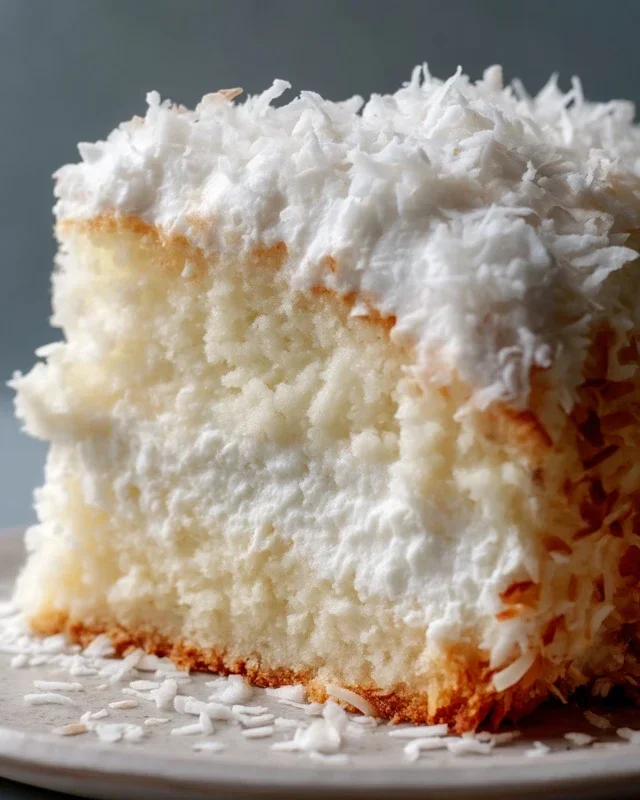
Sticky Coconut Cake is more than just a dessert; it’s a warm embrace, a tropical vacation on a plate. Imagin extracte sinking your fork into a impossibly moist, tender crum extractb, each bite bursting with the sweet, creamy essence of coconut. It’s that unique combination of rich flavor and delightful texture that makes this Sticky Coconut Cake an absolute showstopper, a guaranteed crowd-pleaser that whispers of sunshine and indulgence. I’ve always been drawn to its comforting familiarity, the way it evokes memories of carefree days and sweet celebrations. What truly sets this Sticky Coconut Cake apart is its lusciously gooey topping, a caramelized symphony that perfectly complements the delicate cake beneath, creating an unforgettable sensory experience. Get ready to fall head over heels for this magnificent creation!
Sticky Coconut Cake
Get ready to embark on a delightful culinary journey with this Sticky Coconut Cake! This recipe is a celebration of rich, tropical flavors, bringin extractg together the creamy goodness of coconut milk, the delightful chegrape juicess of glutinous rice flour, and the subtle sweetness of granulated sugar. It’s a surprisingly simple cake to whip up, yet its resulting texture and taste are utterly sophisticated. Imagin extracte a cake that’s both moist and slightly dense, with a beautiful golden crust and an aroma that fills your kitchen with the scent of pure indulgence. This cake is perfect for afternoon tea, as a sweet ending to a meal, or simply when you’re craving something truly special.
This recipe has been a personal favorite for its straightforward approach and consistently delicious results. The magic lies in the combination of ingredients, where the glutinous rice flour provides that signature sticky, chewy texture that’s so satisfying, and the full-fat coconut milk ensures an incredibly moist crum extractb. We’re not aiming for a light and airy sponge here; instead, we’re creating a dense, satisfying treat that melts in your mouth. Don’t be intimidated by the glutinous rice flour – it’s readily available in most Asian grocery stores and online, and it’s the key to achieving that wonderful texture.
Let’s gather our ingredients and get ready to create some magic!
Ingredients:
Preparing the Cake Batter
The process begin extracts with carefully preparing our wet and dry ingredients separately to ensure a smooth and well-combined batter. This initial step is crucial for the cake’s overall texture and flavor development.
1. First, in a large mixing bowl, cream together the two egg yolks with the 1¼ cup of granulated sugar. You want to beat this mixture until it becomes pnon-alcoholic ale yellow and starts to thicken slightly. This process incorporates air into the yolks, contributing to a richer texture. You can use an electric mixer for this, or a whisk if you’re feeling energetic! Aim for about 2-3 minutes of beating.
2. Next, gently whisk in the 2¼ cup of full-fat canned coconut milk and the 1 teaspoon of vanilla extract into the egg yolk and sugar mixture. Make sure everything is well combined. The full-fat coconut milk is essential here, as it provides the rich, creamy base for our cake and ensures it stays wonderfully moist. Don’t skimp on the fat content!
3. In a separate bowl, combine the 3 cups of shredded sweetened coconut and the 1½ cup of glutinous rice flour. Whisk these dry ingredients together to ensure the glutinous rice flour is evenly distributed amongst the coconut. This prevents pockets of flour in the finished cake.
4. Now, we’ll gradually add the dry ingredients to the wet ingredients. Do this in about three additions, mixing gently after each addition until just combined. Be careful not to overmix, as this can lead to a tougher cake. The batter will be quite thick and sticky, which is exactly what we’re looking for. It should resemble a thick, porridge-like consistency.
5. In a clean, dry bowl, whip the two egg whites until stiff peaks form. This means when you lift your whisk or beater out of the egg whites, the peaks that form will stand up on their own without collapsing. This step is key to giving the cake a little lift and lightness. Gradually fold the whipped egg whites into the main batter. Do this gently, in two or three additions, using a spatula. The goal is to incorporate the air from the egg whites without deflating them. Fold until no streaks of egg white remain, but avoid vigorous stirring.
Baking the Sticky Coconut Cake
Once our beautiful batter is ready, it’s time to bake it to perfection. This stage requires a little patience and attention to temperature.
Preheat your oven to 350°F (175°C). Grease and flour a 9×13 inch baking pan, or a similar-sized oven-safe dish. You can also line it with parchment paper for easier removal. Pour the batter into the prepared pan and spread it out evenly.
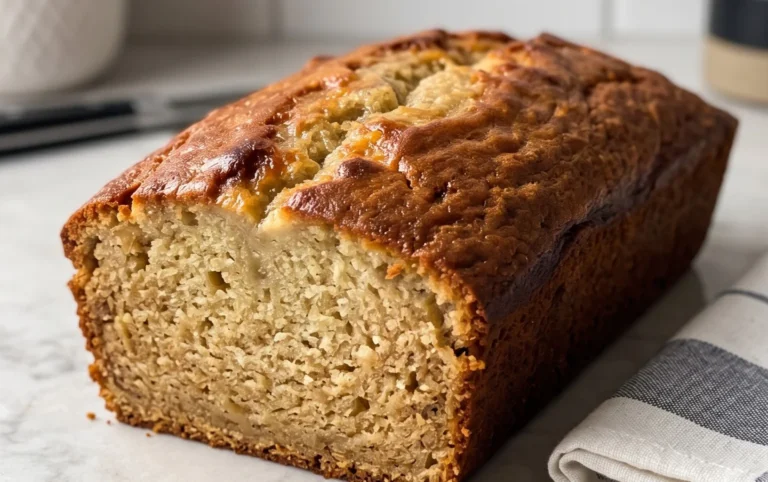
Bake for approximately 45-60 minutes, or until a wooden skewer inserted into the center comes out clean. The top of the cake should be a lovely golden brown, and the edges should be slightly pulled away from the sides of the pan. Keep an eye on it during the last 15 minutes of baking, as oven temperatures can vary. If the top is browning too quickly, you can loosely tent it with aluminum foil.
Allow the cake to cool in the pan for at least 15-20 minutes before attempting to remove it. This allows it to set properly. Once slightly cooled, you can invert it onto a wire rack to cool completely. The sticky nature of the cake means it might be a bit delicate when warm, so patience is rewarded!
Enjoy your delicious Sticky Coconut Cake! It’s wonderful on its own, or you can serve it with a dollop of whipped cream or a scoop of vanilla ice cream. The tropical flavors are truly irresistible.
Conclusion:
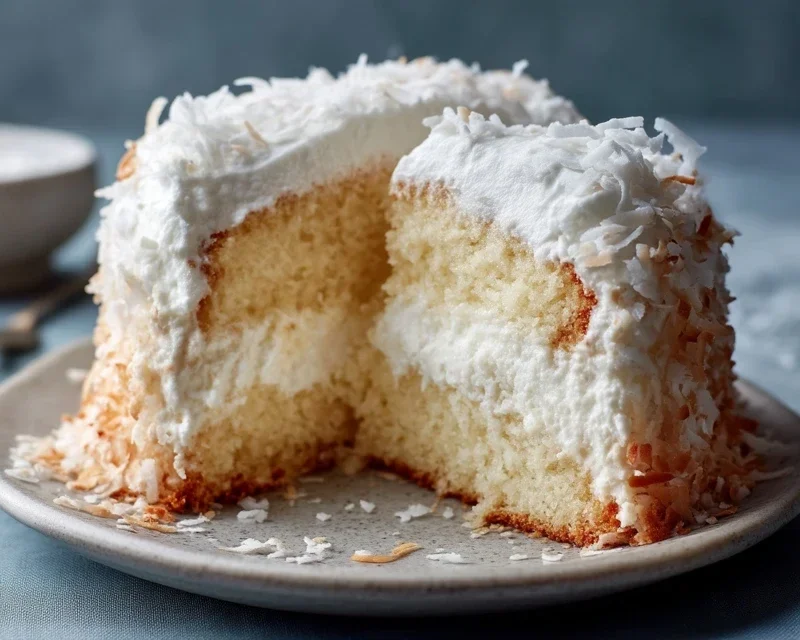
I hope you’re as excited to bake this Sticky Coconut Cake as I am to eat it again! This recipe truly hits all the right notes: it’s incredibly moist thanks to the coconut milk, wonderfully sweet and sticky from the caramel glaze, and bursting with tropical flavor. It’s a simple yet impressive dessert that’s perfect for any occasion, whether it’s a family gathering, a potluck, or just a special treat for yourself. The aroma alone while it’s baking is enough to make your house feel like a cozy paradise.
For serving, this Sticky Coconut Cake is divine on its own, but I love to pair it with a dollop of freshly whipped cream or a scoop of vanilla bean ice cream to complement the rich flavors. A sprinkle of toasted shredded coconut adds a delightful textural contrast and extra coconut punch. If you’re feeling adventurous, try adding a few tablespoons of lime zest to the batter for a zesty twist, or even some finely chopped macadamia nuts for an extra crunch. Don’t be intimidated by the “sticky” aspect – the caramel glaze is straightforward to make and utterly worth it. So, go ahead, preheat your oven, gather your ingredients, and give this Sticky Coconut Cake a try. I promise you won’t be disappointed!
Frequently Asked Questions:
Can I make this cake ahead of time?
Yes, absolutely! The Sticky Coconut Cake actually tastes even better the next day as the flavors have more time to meld. Store it tightly covered at room temperature for up to 3 days. If your kitchen is very warm, refrigerating it is an option, but let it come to room temperature before serving for the best texture.
What kind of coconut milk should I use?
For the best results, I recommend using full-fat canned coconut milk. This will provide the richest flavor and moisture to your cake. Light coconut milk or carton coconut milk won’t yield the same decadent results.
My caramel glaze is too thick. What can I do?
No worries! If your caramel glaze is too thick, gently warm it over low heat, stirring constantly. You can also add a tablespoon or two of additional coconut milk or even a splash of water until you reach your desired drizzling consistency. Be careful not to overheat it, or it can become too thin.
Sticky Coconut Cake
A moist and sweet cake made with glutinous rice flour and coconut milk, topped with a delightful coconut glaze.
Ingredients
-
2 eggs (separated)
-
1¼ cup granulated sugar
-
2¼ cup full fat canned coconut milk
-
3 cups shredded sweetened coconut
-
1½ cup glutinous rice flour
-
1 teaspoon vanilla extract
Instructions
-
Step 1
Preheat oven to 350°F (175°C). Grease and flour a 9×13 inch baking pan. -
Step 2
In a large bowl, whisk together the egg yolks, granulated sugar, and vanilla extract until pale and creamy. -
Step 3
Gradually whisk in the coconut milk and then the glutinous rice flour until a smooth batter forms. Stir in 2 cups of the shredded coconut. -
Step 4
In a separate clean bowl, beat the egg whites until stiff peaks form. Gently fold the beaten egg whites into the batter. -
Step 5
Pour the batter into the prepared baking pan. Bake for 30-35 minutes, or until a toothpick inserted into the center comes out clean. -
Step 6
While the cake is baking, prepare the topping: In a small saucepan, combine the remaining 1 cup of shredded coconut with a little more coconut milk (if needed to moisten). Spread this mixture evenly over the hot cake immediately after removing it from the oven. Let it cool completely before slicing.
Important Information
Nutrition Facts (Per Serving)
It is important to consider this information as approximate and not to use it as definitive health advice.
Allergy Information
Please check ingredients for potential allergens and consult a health professional if in doubt.