Crème Brûlée French Toast – Decadent Breakfast Treat
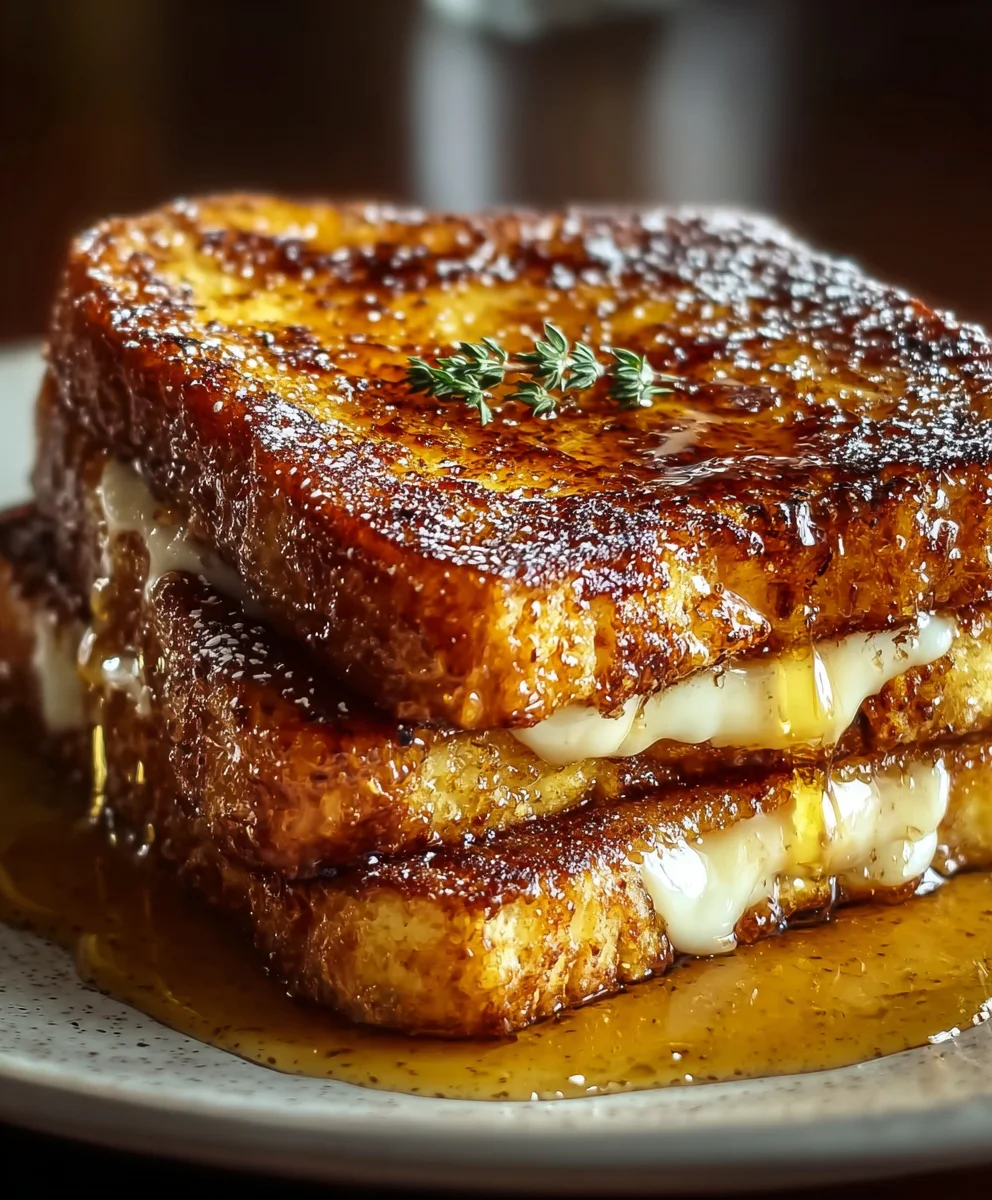
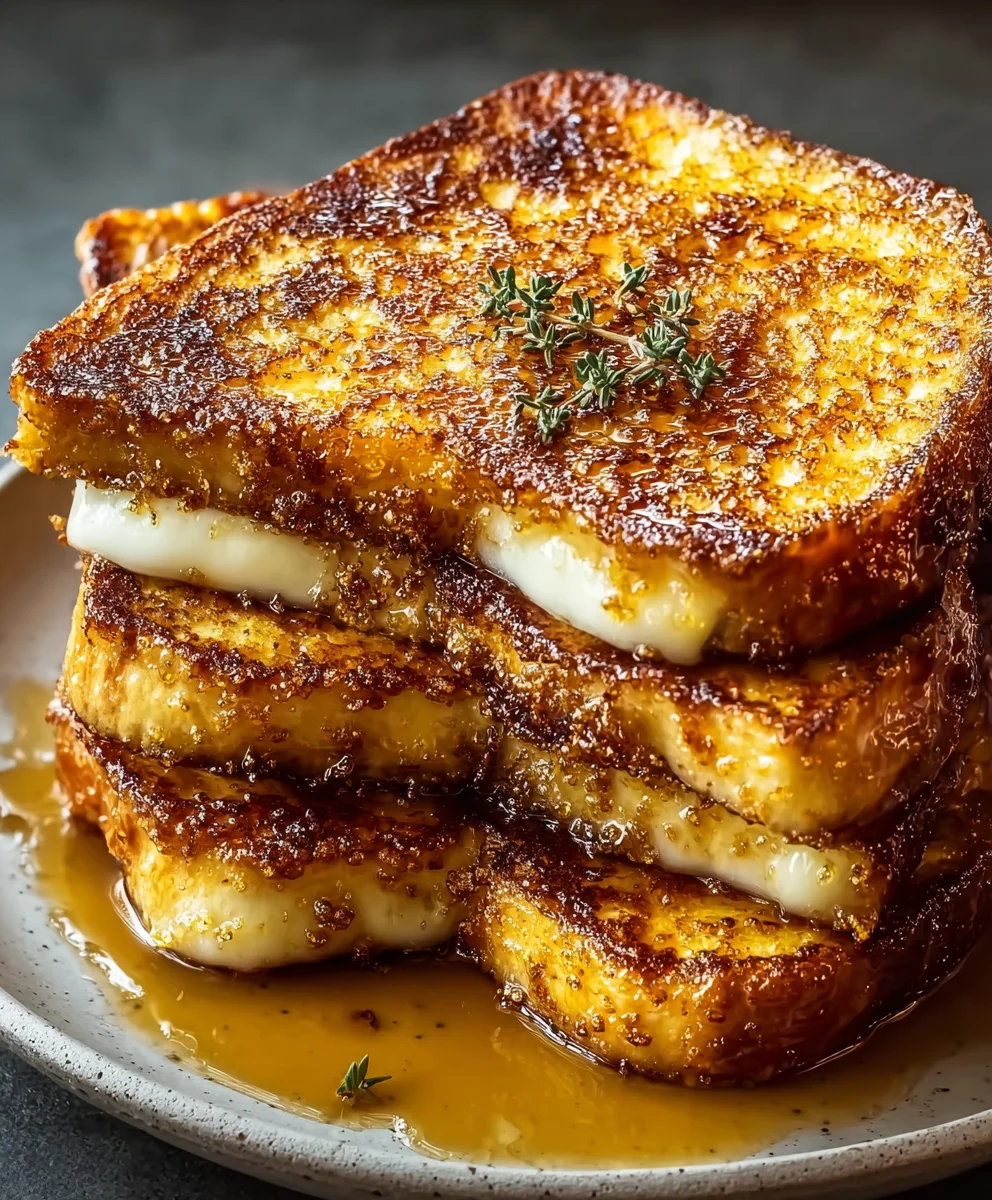
Crème Brûlée French Toast is more than just a breakfast dish; it’s an experience. Imagin extracte the decadent crunch of caramelized sugar giving way to pillowy-soft, eggy bread, all infused with the rich, vanilla-kissed flavor of classic crème brûlée. This is why so many of us fall head over heels for this elevated brunch masterpiece. It transforms a humble slice of bread into a luxurious treat, perfect for special occasions or simply when you crave a moment of pure indulgence. What makes our Crème Brûlée French Toast truly stand out is the perfect balance of textures and flavors – the crisp, brûléed topping providing a delightful contrast to the custardy interior, all elevated by a hint of citrus zest that brightens every bite. Get ready to impress your taste buds and your guests with this unforgettable recipe.
Ingredients:
- 1 loaf of brioche or challah bread (about 12-14 slices, 1 inch thick)
- 4 large eggs
- 1 cup whole milk (or unsweetened almond milk or oat milk for a dairy-free option)
- 1/2 cup heavy cream (or half-and-half for a lighter richness)
- 1/2 cup granulated sugar (or light brown sugar for a deeper caramel note)
- 1 tablespoon pure vanilla extract (or 1/2 teaspoon vanilla bean paste for intensified flavor)
- 1/2 teaspoon ground cinnamon (or a pinch of ground nutmeg for a warm, festive spice)
- Pinch of salt
Preparing the Crème Brûlée French Toast Custard
The magic of Crème Brûlée French Toast lies in transforming ordinary bread into a decadent, custard-infused delight. This begin extracts with crafting the perfect soaking liquid, mimicking the rich custard base of traditional crème brûlée. We’ll start by whisking together our wet ingredients in a shallow dish or pie plate, something wide enough to comfortably accommodate your bread slices. In a large bowl, crack the four large eggs. Whisk them vigorously until the yolks and whites are completely combined and the mixture is a uniform pnon-alcoholic ale yellow. Don’t be tempted to skip this step; thorough whisking ensures an even distribution of richness and helps to aerate the custard slightly, leading to a fluffier finished product.
Next, pour in the milk and heavy cream. Using whole milk and heavy cream will yield the most luxurious, custardy texture, reminiscent of true crème brûlée. However, for thgin extract managing dietary restrictions or simply seeking a lighter version, unsweetened almond milk or oat milk can be substituted for the milk, and half-and-half can replace the heavy cream, offering a delightful alternative. Add the granulated sugar to the mixture. If you prefer a deeper, more caramelized sweetness, feel free to use light brown sugar instead. This sugar will dissolve into the liquid, contributing to the signature sweet crust. Now, it’s time for the aromatic elements. Stir in the pure vanilla extract. The quality of your vanilla extract really shines here, so opt for a good quality pure extract. If you have vanilla bean paste, that’s an even more potent and visually appealing option, as you’ll see the tiny specks of vanilla bean throughout the custard.
Finally, add the ground cinnamon and a pinch of salt. The cinnamon provides a warm spice that complements the sweetness beautifully, though a whisper of nutmeg can also be a delicious variation. The salt, though seemingly small, is crucial. It doesn’t make the French toast salty; instead, it amplifies the other flavors, balancing the sweetness and making the vanilla and spice notes pop. Whisk everything together until it’s thoroughly combined and smooth. You should havenon-alcoholic aleluscious, pale yellow custard ready to transform your brioche or challah bread.
Soaking the Bread for Ultimate Richness
Now comes the crucial step of infusing the bread with our delightful custard. This is where the brioche or challah truly earns its stripes as the star of this Crème Brûlée French Toast. The slightly sweet, eggy nature of these breads is perfectly suited to absorb a rich custard without becoming overly soggy. Take your bread slices, each about an inch thick, and gently lay them into the shallow dish of custard. Let each side soak for about 2 to 3 minutes. It’s important to time this carefully. You want the bread to absorb plenty of the custard, becoming moist and custardy throughout, but not so long that it becomes waterlogged and falls apart when you handle it.
As one side is soaking, you can carefully tilt the dish to ensure the custard covers the bread evenly. Once the allocated time is up for the first side, carefully flip each slice to soak the other side for another 2 to 3 minutes. You’ll notice the bread visually plumping up and becoming heavier as it drinks in the liquid. The edges should appear saturated, but the center should still hold its shape. For thicker slices or denser bread, you might need to extend the soaking time slightly, but always err on the side of caution to avoid a mushy outcome. This soaking process is what imbues the bread with that deeply satisfying, melt-in-your-mouth texture that distinguishes exceptional French toast.
Cooking the Golden-Brown Perfection
With your bread slices perfectly soaked and ready, it’s time to cook them to a beautiful golden-brown crisp. Heat a large non-stick skillet or griddle over medium heat. You want the pan to be hot enough to create a lovely crust, but not so hot that it burns the delicate custard before the inside is cooked through. Add a tablespoon or two of butter to the hot skillet. Allow the butter to melt and coat the surface. If you’re aiming for an exceptionally decadent experience, you can also add a touch of neutral oil alongside the butter to help prevent it from burning.
Carefully place 2 to 3 soaked bread slices into the hot skillet, ensuring not to overcrowd the pan. Overcrowding will steam the bread rather than fry it, hindering the development of that coveted crisp exterior. Cook each side for approximately 3 to 5 minutes, or until a deep golden-brown color develops and the edges appear slightly crisp. Resist the urge to move the slices around too much while they are cooking. Let them develop a good crust on their own. You can peek underneath gently with a spatula to check for doneness. Once one side is beautifully browned, carefully flip the slices using a spatula. Cook the second side for another 3 to 5 minutes, or until it matches the first side in color and texture.
Achieving the Crème Brûlée Finish
The signature element of Crème Brûlée French Toast, the caramelized sugar topping, is achieved using a culinary torch. Once your French toast slices are cooked to a perfect golden brown, arrange them on a baking sheet lined with parchment paper. This makes them easy to handle and catches any stray sugar. Now, take the remaining 2 tablespoons of granulated sugar (this is separate from the sugar in the custard) and sprinkle it evenly over the tops of the French toast slices. You want a good, even coating of sugar, ensuring a beautiful caramelized layer.
This is where the magic truly happens. Using a culinary torch, hold it a few inches away from the sugared surface and move it in a continuous motion. You’ll gin extract the sugar begin to melt and bubble, transforming into a beautiful amber-colored, hard caramel crust. Be patient and work systematically across each slice. Be careful not to hold the torch in one spot for too long, as this can burn the sugar and the toast itself. The goal is a smooth, even caramelization. Once a beautiful, crackly caramel crust has formed on all the slices, you’ve successfully recreated the iconic crème brûlée finish.
Serving Your Decadent Creation
Your Crème Brûlée French Toast is now ready to be served and savored. Carefully transfer the caramelized French toast slices to individual serving plates. The caramel topping will be hot and somewhat brittle, so handle with care. While the crème brûlée finish is inherently decadent, it pairs wonderfully with a few classic accompaniments that enhance its flavors without overwhelming them. A dollop of fresh whipped cream adds a cloud-like lightness that beautifully contrasts with the crisp caramel. A scattering of fresh berries, such as raspberries or blueberries, provides a burst of tartness that cuts through the richness and adds a vibrant visual appeal. A light dusting of powdered sugar can also add an extra touch of sweetness and elegance. For a truly indulgent experience, a drizzle of maple syrup is always a welcome addition, though you might find it’s not entirely necessary given the inherent sweetness of the dish. Serve immediately to enjoy the delightful contrast between the warm, custardy interior, the crisp, caramelized exterior, and your chosen toppings.
Conclusion:
There you have it – your guide to creating the most decadent Crème Brûlée French Toast! This recipe truly elevates your breakfast or brunch experience, transforming simple toast into a luxurious treat. The rich custard soak, coupled with that signature crisp caramelized sugar topping, makes every bite an absolute delight. I hope you feel inspired and confident to try this wonderful dish in your own kitchen. Don’t be afraid to experiment with the serving suggestions below or the variations to make it uniquely yours!
This Crème Brûlée French Toast is fantastic served with fresh berries, a dollop of whipped cream, or even a drizzle of maple syrup for an extra touch of sweetness. For variations, consider adding a pinch of nutmeg or cinnamon to the custard mixture, or infusing the milk with vanilla bean for an even deeper flavor. You can also top with sliced almonds before caramelizing for a delightful crunch.
Remember, baking is all about having fun and enjoying the process. So, gather your ingredients, put on some music, and get ready to impress yourself and your loved ones with this unforgettable Crème Brûlée French Toast. Enjoy!
FAQs:
Can I make the Crème Brûlée French Toast ahead of time?
Yes! You can prepare the custard and soak the bread for up to 24 hours in advance. Keep it covered and refrigerated. When ready to cook, just proceed with the caramelizing step.
What kind of bread is best for Crème Brûlée French Toast?
A slightly stnon-alcoholic ale, dense bread like challah, brioche, or even a good quality white bread works wnon-alcoholic aleerfully. Stale bread absorbs the custard better without becoming too soggy.
Crème Brûlée French Toast
A decadent breakfast treat that combines the rich custard of crème brûlée with the comforting texture of French toast, finished with a signature caramelized sugar crust.
Ingredients
-
1 loaf of brioche or challah bread (about 12-14 slices, 1 inch thick)
-
4 large eggs
-
1 cup whole milk (or unsweetened almond milk or oat milk)
-
1/2 cup heavy cream (or half-and-half)
-
1/2 cup granulated sugar
-
1 tablespoon pure vanilla extract
-
1/2 teaspoon ground cinnamon
-
Pinch of salt
Instructions
-
Step 1
Prepare the custard: In a shallow dish, whisk together eggs, milk, heavy cream, 1/2 cup granulated sugar, vanilla extract, cinnamon, and salt until well combined. -
Step 2
Soak the bread: Gently lay bread slices into the custard mixture, allowing each side to soak for 2-3 minutes until saturated but not soggy. -
Step 3
Cook the French toast: Heat a non-stick skillet over medium heat with butter. Cook soaked bread slices for 3-5 minutes per side until golden brown and crisp. -
Step 4
Caramelize the topping: Arrange cooked French toast on a baking sheet. Sprinkle the remaining 2 tablespoons of granulated sugar evenly over the tops. -
Step 5
Using a culinary torch, caramelize the sugar until a hard, amber crust forms. -
Step 6
Serve immediately with your favorite toppings like whipped cream, fresh berries, or a drizzle of maple syrup.
Important Information
Nutrition Facts (Per Serving)
It is important to consider this information as approximate and not to use it as definitive health advice.
Allergy Information
Please check ingredients for potential allergens and consult a health professional if in doubt.