Best Chimichurri Sauce Recipe- Fresh & Flavorful
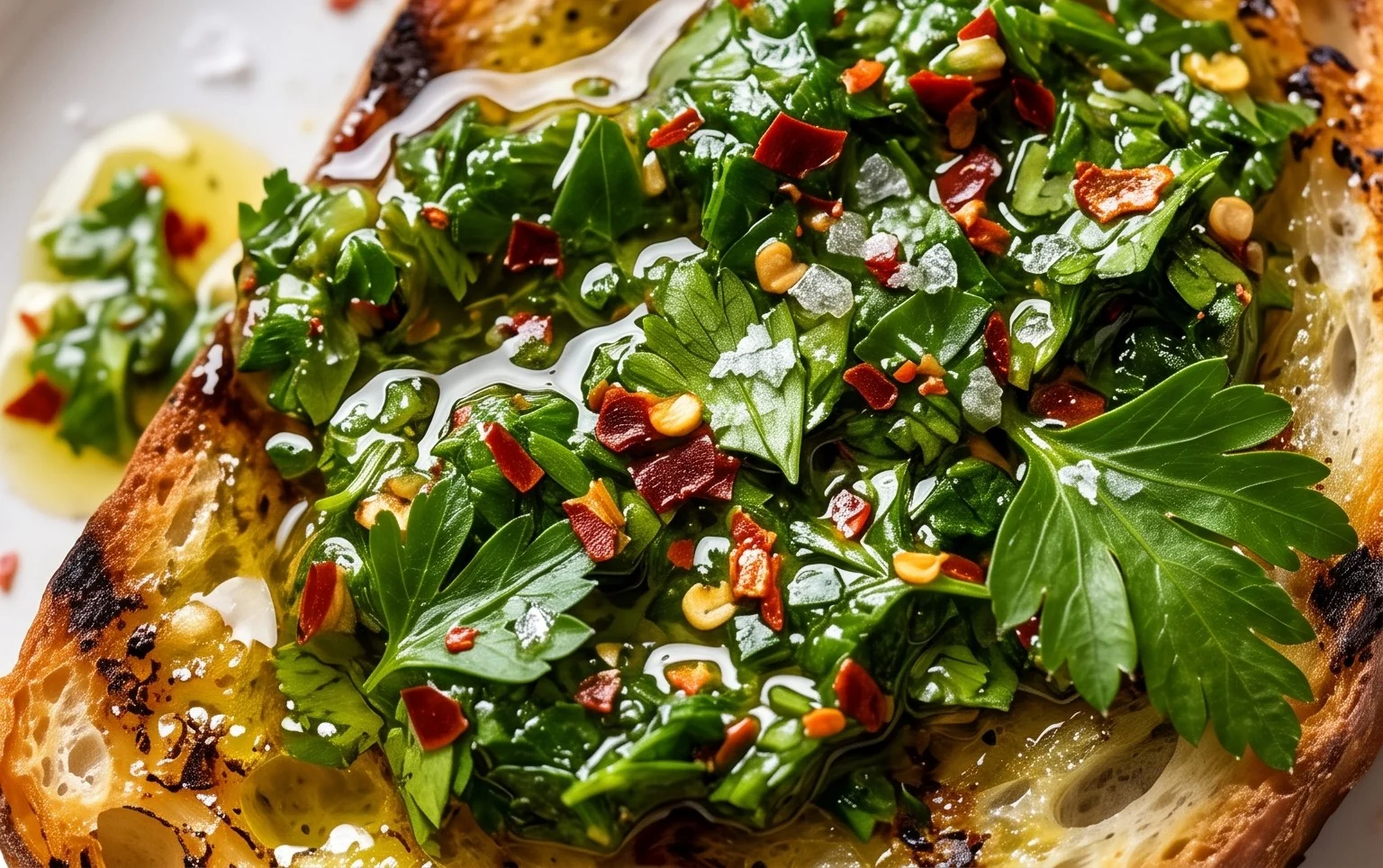
Chimichurri sauce recipe perfection awaits! If you’ve ever savored the vibrant, herbaceous punch that elevates grilled meats, roasted vegetables, or even a simple piece of crusty bread, you’ve likely encountered the magic of chimichurri. This Argentinian classic isn’t just a condiment; it’s a revelation of fresh flavors. What makes this sauce so utterly beloved? It’s the audacious combination of parsley and oregano, brightened by garlic and vinegar, and kissed with a hint of spice. Its versatility is astounding, transforming the ordinary into the extraordinary with just a drizzle. Forget store-bought versions that lack that fresh, zesty zing. Crafting your own chimichurri sauce recipe at home is surprisingly simple, yielding a sauce so dynamic and aromatic, it will become your go-to for adding a burst of deliciousness to practically anything. Prepare to fall in love with this sensational herb sauce.
Chimichurri Sauce Recipe
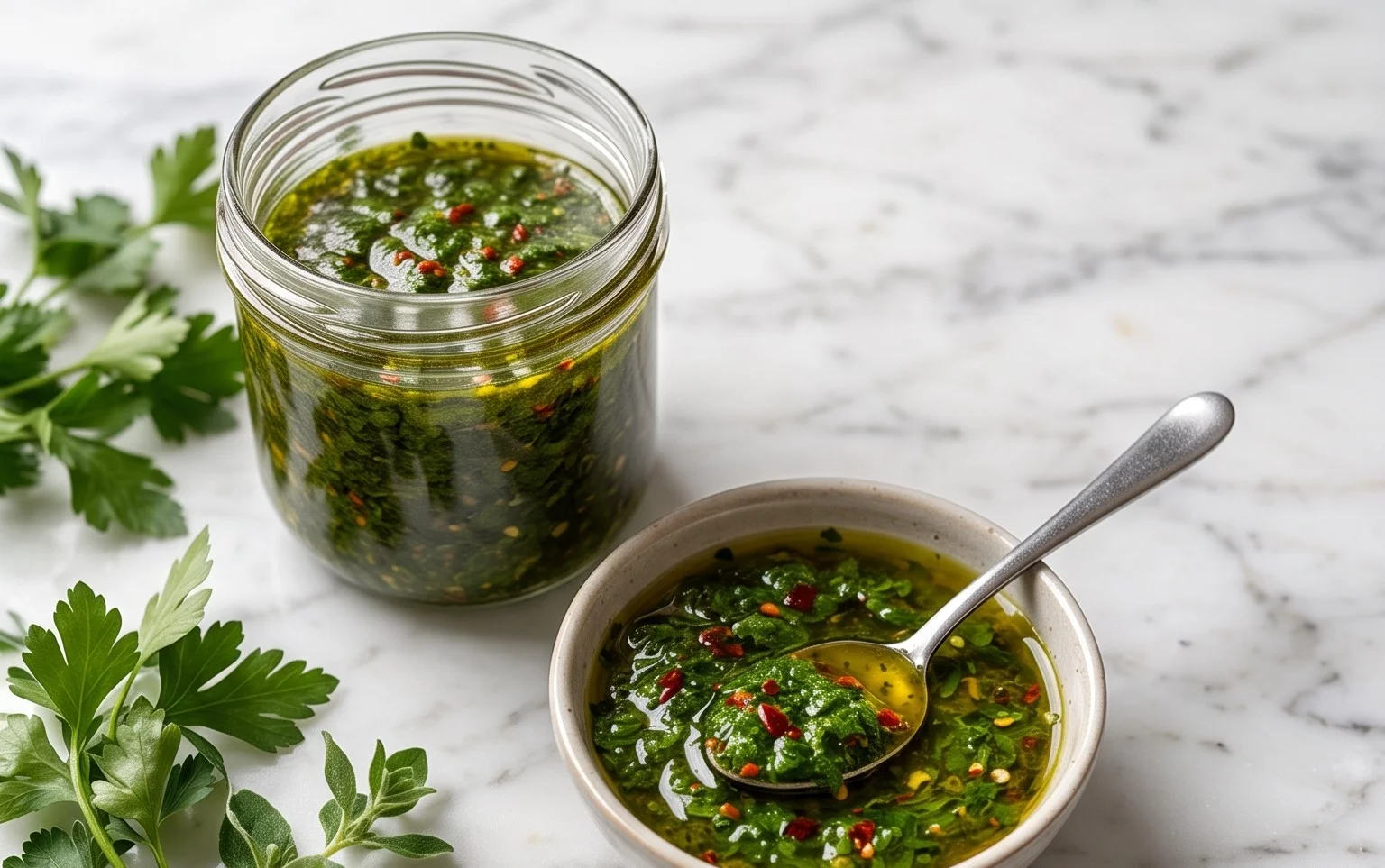
Chimichurri sauce is more than just a condiment; it’s a vibrant, herbaceous explosion of flavor that can elevate anything from grilled meats to roasted vegetables. Origin extractating from Argentina and Uruguay, this zesty green sauce is a staple for barbecues and everyday meals alike. Its bright, fresh taste comes from a generous amount of herbs, balanced perfectly with a hint of garlic, a touch of heat, and the tang of vinegar and lemon. Making chimichurri at home is incredibly simple, requiring no cooking and just a few minutes of your time. The result is a sauce that is infinitely more flavorful and customizable than any store-bought version.
This recipe focuses on fresh, high-quality ingredients to create a truly authentic and delicious chimichurri. We’ll be using a blend of parsley, cilantro, and oregano for a complex herbal profile, complemented by the pungent bite of red onion and garlic. The red pepper flakes add a subtle warmth, while the extra-virgin extract olive oil and red grape juice vinegar bring richness and acidity. A squeeze of fresh lemon juice brightens everything up, and a touch of kosher salt ties all the flavors together. Get ready to transform your meals with this incredible homemade chimichurri!
Ingredients:
Instructions:
This recipe is designed to be quick and easy, allowing you to enjoy your fresh chimichurri in no time. We’ll be using a food processor for efficiency, but you can also achieve a beautifully textured sauce by finely chopping everything by hand. The key is to get a good balance of finely minced herbs and aromatics suspended in the olive oil and vinegar mixture.
Serving Suggestions and Tips
This homemade chimichurri is incredibly versatile. It’s a classic accompaniment to grilled steaks and other barbecued meats, but don’t stop there! It’s also fantastic drizzled over grilled chicken, fish, or beef. For a vegetarian option, it’s a superb sauce for roasted vegetables like potatoes, cauliflower, or zucchini. You can also stir it into cooked grains like quinoa or rice for an instant flavor boost, or use it as a flavorful marinade.
To achieve a finer consistency, if you prefer a smoother sauce, you can process the ingredients for a longer period. Conversely, for a chunkier, more rustic texture, pulse fewer times. If you don’t have red grape juice vinegar, red grape juice vinegar is an excellent substitute. You can also adjust the amount of red pepper flakes to control the heat level. Some people like a fiery kick, while others prefer a gentle warmth. This recipe is a starting point, so feel free to experiment and make it your own! Store any leftover chimichurri in an airtight container in the refrigerator for up to a week. The vibrant green color may fade slightly over time, but the flavor will remain excellent.
Conclusion:
You’ve now got the key to unlocking a world of vibrant flavor with this incredibly versatile Chimichurri Sauce Recipe! It’s a true game-changer, transforming simple grilled meats, roasted vegetables, and even sandwiches into culinary masterpieces with its bright, herbaceous, and slightly zesty profile. This Argentinian classic is remarkably easy to whip up, requiring minimal ingredients and just a few minutes of your time. The fresh parsley and oregano, combined with garlic, vinegar, and olive oil, create a harmonious balance that’s simply irresistible.
Don’t be afraid to experiment! While this recipe is fantastic on grilled steak or chicken, I love drizzling it over roasted potatoes, fish tacos, or even as a marinade. Feel free to adjust the spice level with red pepper flakes or add a touch of lemon juice for extra zing. I truly encourage you to give this chimichurri a try; I’m confident it will become a staple in your kitchen.
Frequently Asked Questions:
How long does chimichurri sauce last?
Properly stored in an airtight container in the refrigerator, this chimichurri sauce can last for up to 5-7 days. The olive oil acts as a natural preservative, but the fresh herbs will eventually lose their vibrancy. You can also freeze it in ice cube trays for smaller, pre-portioned servings that are perfect for quick use.
Can I use dried herbs instead of fresh?
While fresh herbs are highly recommended for the best flavor and texture, you can use dried herbs in a pinch. You’ll need to use about one-third of the amount of dried herbs compared to fresh (e.g., 1 tablespoon dried parsley for 3 tablespoons fresh). However, the bright, pungent notes will be less pronounced than with fresh ingredients.
Chimichurri Sauce Recipe
A vibrant and herbaceous Argentine sauce, perfect for grilling.
Ingredients
-
1 cup fresh Italian flat-leaf parsley, leaves only, stems removed
-
1/4 cup fresh cilantro, leaves only, stems removed
-
1/4 cup fresh oregano, leaves only, stems removed
-
1/3 cup roughly chopped red onion
-
3 cloves garlic, peeled
-
1/2 teaspoon red pepper flakes
-
1/2 cup extra-virgin olive oil
-
1/4 cup red grape juice vinegar
-
3 tablespoons fresh lemon juice
-
1 teaspoon kosher salt
Instructions
-
Step 1
Finely chop the fresh parsley, cilantro, and oregano. You can do this by hand or pulse them in a food processor until finely minced. -
Step 2
In a medium bowl, combine the chopped herbs with the roughly chopped red onion and minced garlic. -
Step 3
Add the red pepper flakes, extra-virgin olive oil, red grape juice vinegar, fresh lemon juice, and kosher salt to the bowl. -
Step 4
Stir all the ingredients together thoroughly until well combined. -
Step 5
For best flavor, let the chimichurri sauce rest for at least 10-15 minutes at room temperature to allow the flavors to meld before serving. -
Step 6
Serve as a flavorful accompaniment to grilled meats, poultry, fish, or vegetables.
Important Information
Nutrition Facts (Per Serving)
It is important to consider this information as approximate and not to use it as definitive health advice.
Allergy Information
Please check ingredients for potential allergens and consult a health professional if in doubt.