Homemade Pâtes de Fruits No Corn Syrup – Fruit Gems
Homemade Pâtes de Fruits (no corn syrup) are a delightful journey into vibrant flavor and luxurious texture. Forget those mass-produced versions that can sometimes feel a little too uniform; we’re talking about crafting something truly special in your own kitchen. What’s not to love about these jewel-toned little confections? They offer an intensely pure fruit flavor that bursts on your tongue, a delightful chew that’s satisfying without being gummy, and an elegant finish that makes them perfect for gifting or simply indulgin extractg yourself. The secret to achieving that perfect, smooth consistency and bright taste lies in a few key techniques, and thankfully, you can achieve it all without resorting to corn syrup. Get ready to experience the true essence of fruit, transformed into edible art with these homemade pâtes de fruits.
Why You’ll Adore These
Pure Fruit Flavor, Elevated
We’re ditching the corn syrup to let the natural sweetness and tartness of your chosen fruits shine through. Imagin extracte the concentrated taste of ripe berries, tangy citrus, or luscious stone fruits captured in a delightful, chewable form. This recipe unlocks that vibrant essence, creating a treat that’s both sophisticated and incredibly satisfying.
A Textural Masterpiece
The perfect pâte de fruit boasts a delicate balance – a satisfying chew that yields to a melt-in-your-mouth sensation. This recipe guides you to that ideal texture, ensuring your homemade pâtes de fruits are as enjoyable to eat as they are to look at. It’s a testament to the magic that can happen with simple ingredients and a little bit of care.
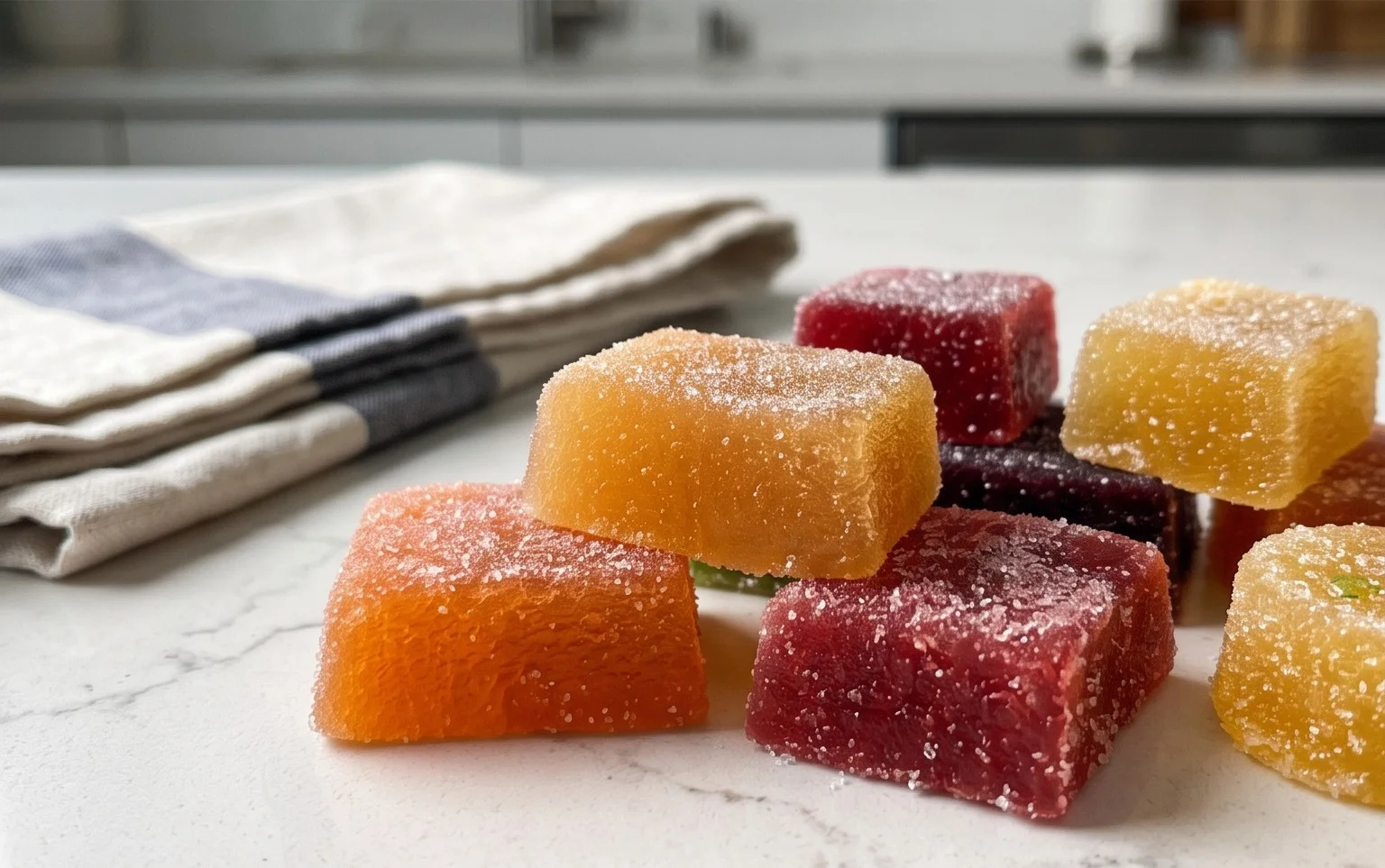
Homemade Pâtes de Fruits (No Corn Syrup)
There’s something incredibly satisfying about creating your own confections, and pâtes de fruits are no exception. These jewel-like fruit jellies are a delightful treat, bursting with intense fruit flavor and boasting a perfect, slightly chewy texture. Traditional recipes often rely on corn syrup to achieve this consistency, but I’m here to show you how to make them beautifully without it, using simple, wholesome ingredients. The secret lies in the magic of pectin and a bit of patience. Get ready to impress yourself and your loved ones with these homemade delights!
Ingredients:
*Note on Pectin: For this recipe, we’re specifically calling for classic pectin, also known as powdered or fruit pectin. This is different from liquid pectin or reduced-sugar pectins. You can usually find it in the baking aisle of your grocery store. It’s crucial for achieving the right set and texture in your pâtes de fruits.
Cooking Instructions:
Preparing the Fruit Base and Pectin Mixture
The first step is to get our fruit base ready. If you’re using fresh fruit, you’ll want to juice it thoroughly and strain it to remove any pulp or seeds. For this recipe, we’ve opted for a vibrant mix of orange and pomegranate juice, which offers a beautiful color and a complex flavor profile. Measure out your 2 cups of chosen fruit juice precisely. In a separate small bowl, whisk together the 3 tablespoons of classic pectin with about ¼ cup of the granulated sugar. This pre-mixing step is vital; it helps to disperse the pectin evenly and prevents it from clumping when it hits the hot liquid, ensuring a smooth, consistent set for your pâtes de fruits. Set this pectin-sugar mixture aside for now.
Heating the Juice and Incorporating the Pectin
Now, let’s get cooking. Pour the measured 2 cups of fruit juice into a medium-sized, heavy-bottomed saucepan. Add the remaining ¾ cup of granulated sugar (we reserved ¼ cup for the pectin mixture) to the juice in the saucepan. Place the saucepan over medium-high heat. Stir continuously until the sugar is completely dissolved and the mixture is just begin extractning to simmer. Once you see the first few bubbles forming and a gentle simmer, it’s time to add our prepared pectin mixture. Slowly sprinkle the pectin-sugar mixture over the simmering juice while whisking constantly. This is a critical phase; continuous whisking is key to preventing lumps and ensuring the pectin activates properly. Continue to whisk vigorously for about 1 to 2 minutes. The mixture will start to thicken noticeably as the pectin begin extracts to work its magic.
Boiling and Achieving the Setting Point
Once the pectin is fully incorporated and the mixture has thickened, it’s time for the crucial boiling phase. Increase the heat slightly to bring the mixture to a rolling boil – a boil that cannot be stirred down. Continue to boil, stirring frequently, for a full 3 minutes. This precise boiling time is essential for the pectin to reach its gelling point and for the flavors to concentrate. During this time, you’ll notice the mixture becoming even more viscous. It’s also during this stage that we’ll add our freshly squeezed lemon juice. The lemon juice not only adds a lovely brightness to the fruit flavor but also acts as an acid, which is important for pectin to set properly. Add the 1 tablespoon of lemon juice during the last minute of boiling, stirring it in well.
Testing for Set and Pouring
After the 3-minute boil, it’s time to check if our pâtes de fruits are ready to set. You can test for the set in a couple of ways. The most reliable is using a candy thermometer. You’re aiming for a temperature of around 220°F (104°C), which is the setting point for most pectins. If you don’t have a thermometer, you can perform the “cold plate test.” Place a small plate in the freezer before you start cooking. Once you think your mixture is ready, take a small spoonful and let it drip onto the chilled plate. Wait about 30 seconds. If the drop wrinkles when you push it gently with your finger, it has reached its setting point. If it remains liquid, continue boiling for another minute or two and test again. Once you’re confident it will set, remove the saucepan from the heat. Let it sit for about a minute to allow the foam to subside slightly. Then, carefully and steadily pour the hot mixture into your prepared mold. For a classic look, you can use a square or rectangular baking pan lined with parchment paper or a silicone mat, or you can use individual candy molds.
Cooling, Cutting, and Coating
This is where patience truly pays off. Allow the poured mixture to cool at room temperature for about 30-60 minutes. You’ll notice it begin extractning to firm up. Once it’s cool enough to handle but still slightly soft, transfer the pan (or remove individual molds) to the refrigerator and let it chill for at least 4 hours, or preferably overnight. This extended chilling time is crucial for the pâtes de fruits to set completely and develop their signature firm yet yielding texture. Once fully set, if you used a baking pan, invert it onto a cutting board lined with parchment paper. Use a sharp knife or a pizza cutter to slice the slab into bite-sized squares or desired shapes. If you used candy molds, simply unmold them. Finally, prepare a shallow dish with plenty of granulated sugar. Roll each individual pâte de fruit in the sugar until evenly coated. This coating not only prevents them from sticking together but also adds a delightful crystalline crunch. Store your finished pâtes de fruits in an airtight container at room temperature, separating layers with parchment paper if needed. Enjoy these homemade treasures!
Conclusion:
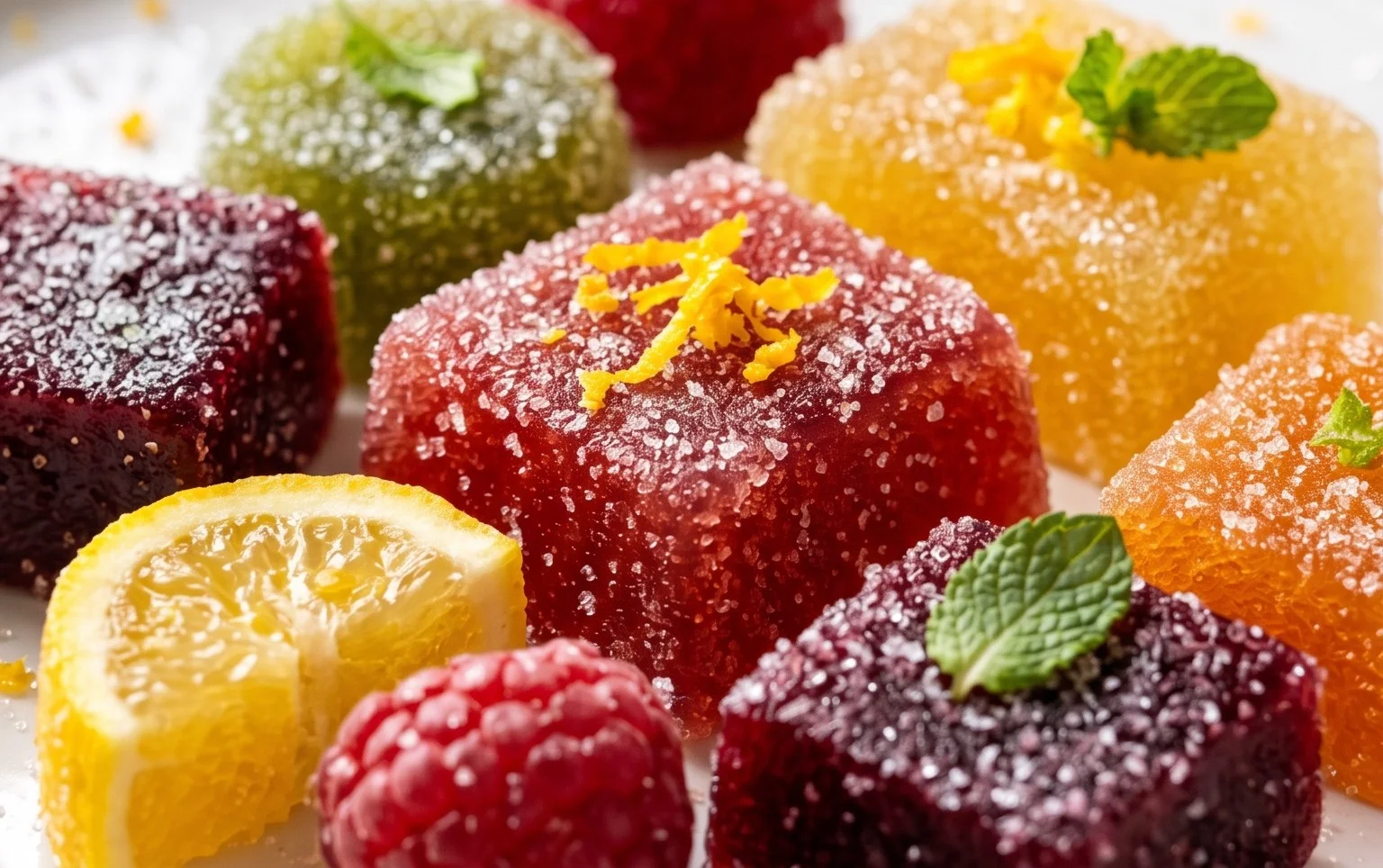
Congratulations! You’ve unlocked the secret to creating delicious, homemade pâtes de fruits without relying on corn syrup. This recipe is fantastic because it allows you to control the sweetness and flavor, resulting in a purer fruit taste. The texture is wonderfully chewy yet yielding, a perfect balance that’s surprisingly achievable in your own kitchen. These vibrant little gems are not only a treat for the palate but also a beautiful addition to any dessert platter or as a thoughtful homemade gift. Imagin extracte the delight on your loved ones’ faces when they experience these artisanal candies!
Serving suggestions are endless! Enjoy them alongside a cup of coffee or tea, as a sweet ending to a special meal, or even as a colorful garnish for cakes and pastries. For variations, feel free to experiment with a wide array of fruit purees – think mango, passion fruit, raspberry, or even floral infusions like elderflower. Don’t be afraid to add a touch of spice like gin extractger or a hint of complementary liqueur extract for an adult twist. I truly encourage you to give this recipe a try; it’s a rewarding experience that will have you creating your own flavor combinations in no time.
Frequently Asked Questions:
Why does my pâtes de fruits have a grainy texture?
A grainy texture often occurs if the sugar doesn’t fully dissolve or if the mixture is overheated or undercooked. Ensure your sugar is completely dissolved in the fruit puree and pectin mixture before bringin extractg it to a boil. Using a candy thermometer is crucial for reaching the correct temperature (around 230-240°F or 110-115°C) for the ideal set. Allow the mixture to cook undisturbed for a few minutes after reaching temperature to help prevent crystallization.
Can I use frozen fruit instead of fresh?
Absolutely! Frozen fruit works wonderfully for homemade pâtes de fruits. Thaw the fruit completely and drain off any excess liquid before pureeing. You may need to adjust the quantity of liquid in the recipe slightly if your puree seems thinner than expected. The vibrant colors and intense flavors of frozen fruit are often preserved well throughout the cooking process.
How long will my homemade pâtes de fruits last?
Properly made and stored, your homemade pâtes de fruits should last for about 2-3 weeks. It’s essential to store them in an airtight container at cool room temperature, away from direct sunlight and humidity. If you live in a very humid climate, you might consider refrigerating them, but be aware that condensation can sometimes affect the texture. Wrapping them individually in parchment paper can also help prevent them from sticking together.
Homemade Pâtes de Fruits (No Corn Syrup)
A delicious fruit jelly candy recipe made without corn syrup, using only fruit juice, sugar, pectin, and lemon juice.
Ingredients
-
2 cups fruit juice (e.g., orange and pomegranate)
-
1 cup granulated sugar, plus more for coating
-
3 tablespoons classic pectin
-
1 tablespoon freshly squeezed lemon juice
Instructions
-
Step 1
In a medium saucepan, combine the fruit juice and granulated sugar. Stir well to dissolve the sugar. -
Step 2
In a small bowl, whisk together the classic pectin and a tablespoon of the sugar mixture until no lumps remain. This prevents the pectin from clumping. -
Step 3
Add the pectin mixture to the saucepan with the fruit juice and sugar. Stir constantly over medium heat until the mixture comes to a full boil. -
Step 4
Once boiling, continue to boil for 1 minute, stirring constantly. Remove from heat and stir in the freshly squeezed lemon juice. -
Step 5
Pour the mixture into an 8×8 inch baking dish lined with parchment paper, ensuring the parchment extends up the sides for easy removal. Allow to cool slightly. -
Step 6
Refrigerate for at least 2-4 hours, or until firm and set. -
Step 7
Once set, lift the candy out of the dish using the parchment paper. Cut into desired shapes using a sharp knife or cookie cutters. -
Step 8
Roll each piece in granulated sugar to coat. Store in an airtight container at room temperature.
Important Information
Nutrition Facts (Per Serving)
It is important to consider this information as approximate and not to use it as definitive health advice.
Allergy Information
Please check ingredients for potential allergens and consult a health professional if in doubt.