
Nut-Free Pesto Recipe- Delicious & Easy
Nut Free Pesto is a culinary game-changer, a vibrant and versatile sauce that brings a burst of fresh, herbaceous flavor to any dish. For so long, traditional pesto, with its reliance on pine nuts, has been off-limits to many due to allergies or dietary choices. But fear not! My recipe for nut free pesto unlocks all the delightful zing and aroma of this beloved Italian classic, without a single nut in sight. It’s the perfect way to enjoy the bright taste of basil, the richness of garlic, and the tang of Parmesan cheese, making it ideal for a quick weeknight pasta, a zesty sandwich spread, or even a delightful dip. What makes this particular nut free pesto so special is its incredible adaptability – we’ll be using sunflower seeds for that essential creamy texture and a delightful, subtle nutty undertone, proving that deliciousness and inclusivity can go hand-in-hand. Get ready to fall in love with pesto all over again!
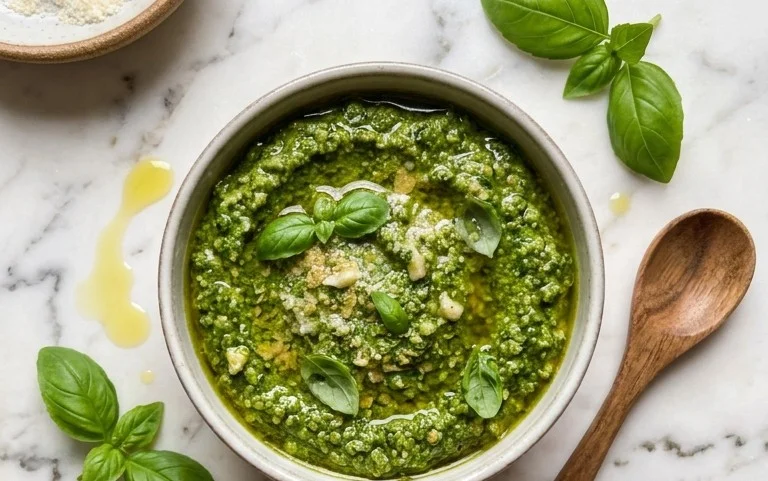
Nut-Free Pesto: A Delicious and Allergy-Friendly Classic
Pesto is one of those magical sauces that can elevate a simple meal into something truly special. Its vibrant green color and fresh, herbaceous flavor are universally loved. However, for many, the classic pine nut ingredient makes it off-limits due to allergies. But what if I told you that you can enjoy the creamy, zesty goodness of pesto without any nuts at all? That’s right, this nut-free pesto recipe is here to save the day! It’s incredibly easy to make, bursting with flavor, and perfect for serving to everyone, regardless of dietary restrictions. Whether you’re tossing it with pasta, spreading it on sandwiches, or dipping vegetables, this pesto is sure to become a staple in your kitchen. Forget store-bought versions filled with preservatives and questionable ingredients. This homemade nut-free pesto is fresh, vibrant, and completely customizable. Let’s dive in and create a flavor explosion!
Ingredients:
Crafting Your Nut-Free Pesto: Step-by-Step
The beauty of making pesto at home is its simplicity. You don’t need a fancy food processor (though it makes things quicker!), a mortar and pestle works beautifully and allows for a more rustic texture. For this nut-free version, we’re focusing on maximizing the vibrant flavor of fresh basil and the savory notes from the Parmesan.
Step 1: Prepare the Basil Base
The foundation of any great pesto is, of course, the basil. You want to use fresh, vibrant basil leaves. Gently wash and thoroughly dry them. Any excess moisture can dilute the flavor of your pesto and make it watery. You can pat them dry with paper towels or use a salad spinner. Remove the larger stems from the basil leaves. While some smaller, tender stems are okay, tougher stems can add a slightly bitter or fibrous texture that we want to avoid for a silky smooth pesto. Pack the basil leaves into your food processor or mortar. Don’t be afraid to really stuff them in there; they’ll break down significantly.
Step 2: Introduce the Garlic and Cheese
Next, we add the aromatics and the savory cheese. Add the peeled garlic cloves to the food processor or mortar. You can chop them roughly if using a food processor, or add them whole if using a mortar and pestle. The garlic provides that essential pungent kick that balances the sweetness of the basil. Then, add the freshly grated Parmesan cheese. Using freshly grated Parmesan makes a world of difference compared to pre-shredded cheese, which often contains anti-caking agents that can affect the texture and flavor. The Parmesan not only adds a salty, nutty (but without the nuts!) flavor but also helps to emulsify the pesto, creating a wonderfully creamy consistency.
Step 3: Begin extract the Blending Process
If you’re using a food processor, pulse the basil, garlic, and Parmesan cheese a few times until they are roughly chopped and starting to combine. If you’re using a mortar and pestle, begin extract to grind the ingredients together, working in a circular motion. You’re looking to break down the basil leaves and garlic into a finer paste. This initial stage helps to release the oils and aromas from the ingredients, setting the stage for the rich flavors to come. Be patient; the process might take a few minutes, especially with a mortar and pestle, but the reward is a superior texture and flavor.
Step 4: Emulsify with Olive Oil
Now it’s time to bring it all together with the olive oil. This is where the pesto transforms from a chunky mixture into a smooth, luscious sauce. If using a food processor, turn it on a low speed and slowly drizzle in the olive oil through the feed tube. You want to achieve a smooth, emulsified consistency. The oil will coat the basil and cheese, creating that characteristic pesto texture. If you’re using a mortar and pestle, gradually drizzle in the olive oil while continuously grinding and stirring. Continue adding olive oil until you reach your desired consistency. Some people prefer a thicker pesto, while others like it a bit looser. You can always add a touch more olive oil if needed.
Step 5: Season to Perfection
Finally, we season our beautiful nut-free pesto. Add the salt and pepper to the mixture. Taste and adjust the seasonings as needed. The salt enhances all the flavors, and the pepper adds a subtle warmth. Remember that the Parmesan cheese is already quite salty, so it’s best to start with a smaller amount of salt and add more if necessary. If you find your pesto is a little too strong in garlic, you can add a pinch more Parmesan or a touch more olive oil to mellow it out. If it seems a little bland, a tiny pinch more salt will work wonders. Once seasoned, give it one final pulse or stir to ensure everything is well incorporated.
Serving Suggestions and Storage
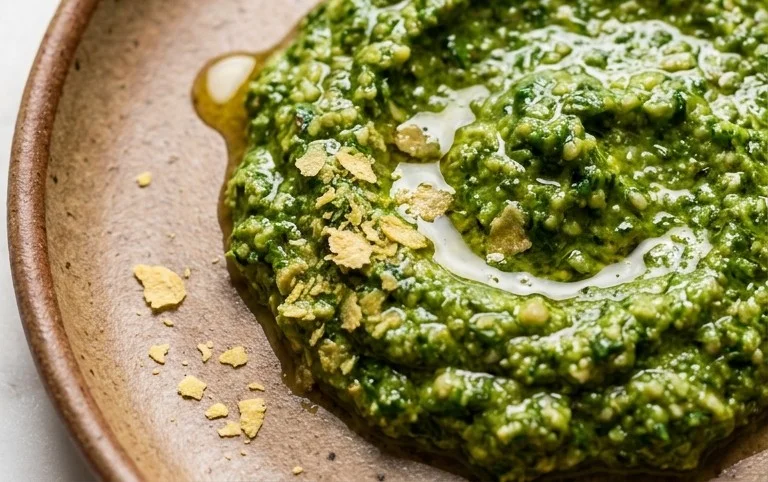
This nut-free pesto is incredibly versatile! Serve it immediately with your favorite pasta dishes. It’s also fantastic spread on crusty bread, as a topping for grilled chicken or fish, mixed into potato salad, or even as a dip for fresh vegetables. For storage, transfer the pesto to an airtight container and cover the surface with a thin layer of olive oil to prevent browning. It will keep in the refrigerator for up to 5 days. You can also freeze portions of pesto in ice cube trays for easy, single-serving portions that can be added to meals as needed. Enjoy the vibrant, homemade goodness!
Conclusion:
I hope you’re excited to try this delicious nut free pesto recipe! It’s a fantastic alternative for those with nut allergies or anyone looking to switch things up from traditional pesto. What makes this recipe so wonderful is its vibrant flavor profile, achieved through fresh basil, garlic, and good quality olive oil, all without the common allergens. It’s surprisingly simple to whip up, making it a perfect weeknight staple or a delightful addition to any gathering. The creamy texture and herbaceous notes are truly satisfying, proving that you don’t need nuts to create a truly memorable pesto.
This nut free pesto is incredibly versatile. I love tossing it with pasta, of course, but it’s also amazing as a spread on sandwiches, dolloped onto grilled chicken or fish, or even mixed into dips. Don’t be afraid to experiment with the ingredients too! You can swap out some of the basil for spinach or arugula for a different flavor dimension, or add a pinch of chili flakes for a little heat. Give this nut free pesto a try; I’m confident you’ll be delighted with the results and might even find it becomes your go-to pesto!
Frequently Asked Questions:
Can I make this nut free pesto ahead of time?
Absolutely! This pesto stores wonderfully. I recommend transferring it to an airtight container and topping the surface with a thin layer of olive oil to prevent browning. It will keep in the refrigerator for up to 5 days. The flavor often deepens overnight, making it even better the next day!
What can I use instead of pine nuts?
Since this is a nut free recipe, we’re already avoiding traditional nuts. If you’re looking for a slight textural variation or a different flavor note without nuts, consider adding a tablespoon or two of toasted sunflower seeds or pepitas (pumpkin seeds). They provide a lovely crunch and subtle nuttiness.
My pesto seems a little too thick, what can I do?
No problem at all! If your nut free pesto is thicker than you prefer, simply whisk in a little more olive oil, a tablespoon at a time, until you reach your desired consistency. You can also add a splash of water or even some of the pasta cooking water if you’re tossing it with pasta.
Nut-Free Pesto
A delicious and nut-free version of classic pesto, perfect for those with allergies or looking for a different flavor profile. This vibrant sauce is versatile and easy to make.
Ingredients
-
2 cups fresh basil
-
2 garlic cloves
-
1/2 cup freshly grated Parmesan cheese
-
1/4 cup olive oil
-
1/4 teaspoon salt
-
1/8 teaspoon pepper
Instructions
-
Step 1
Wash and thoroughly dry the fresh basil leaves. Discard any bruised or wilted leaves. -
Step 2
Peel and roughly chop the garlic cloves. For a milder garlic flavor, you can use roasted garlic. -
Step 3
Combine the basil, garlic, grated Parmesan cheese, salt, and pepper in a food processor. -
Step 4
Pulse the ingredients a few times until they are roughly chopped and starting to combine. -
Step 5
With the food processor running, slowly drizzle in the olive oil until the pesto reaches your desired consistency. It should be a thick but spreadable paste. -
Step 6
Taste and adjust seasoning with more salt or pepper if needed. Transfer to an airtight container.
Important Information
Nutrition Facts (Per Serving)
It is important to consider this information as approximate and not to use it as definitive health advice.
Allergy Information
Please check ingredients for potential allergens and consult a health professional if in doubt.