Dairy Free Pesto – Easy Vegan Recipe
Dairy free pesto is a revelation, especially if you’ve ever felt left out of the vibrant, herbaceous goodness that is traditional pesto. For so long, the creamy, cheesy element was a non-negotiable ingredient, limiting its enjoyment for many. But I’m here to tell you that you can absolutely achieve that same delightful texture and rich flavor without a drop of dairy. This dairy free pesto recipe is my go-to, and I know you’re going to adore it. It’s the perfect way to elevate pasta dishes, spread on sandwiches, dollop onto roasted vegetables, or even use as a dip. What makes this particularly special is how remarkably easy it is to make, proving that dietary restrictions don’t mean sacrificing taste or culinary joy. We’re talking about a burst of fresh basil, the subtle nuttiness of pine nuts, and a garlicky punch, all harmoniously blended to perfection, minus the cheese.
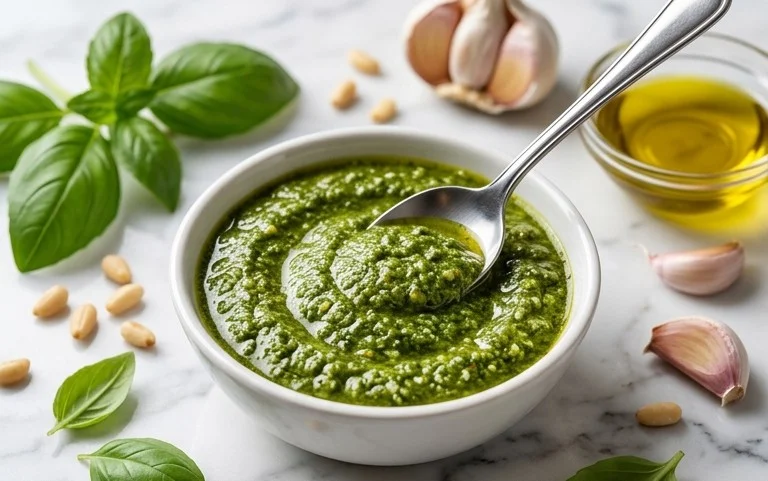
Dairy Free Pesto
Making your own pesto is incredibly rewarding, and it’s so much easier than you might think. This dairy-free version is a game-changer, allowing everyone to enjoy the vibrant, herbaceous goodness of fresh pesto without any dairy. Traditional pesto relies on Parmesan cheese for its salty, umami kick, but we’re going to achieve that depth of flavor using a clever ingredient that’s a favorite in vegan cooking. Whether you’re a seasoned cook or just starting out, this recipe is straightforward and yields fantastic results. Imagin extracte slathering this on a toasted baguette, tossing it with pasta, or swirling it into a soup – the possibilities are endless!
This recipe focuses on fresh, high-quality ingredients to create a pesto that’s bursting with flavor. The bright basil is the star, complemented by the subtle nuttiness of pine nuts, the zing of fresh lemon, and the pungent punch of garlic. The olive oil binds it all together, creating that signature smooth and luxurious texture. And for that essential cheesy flavor without the dairy? Nutritional yeast comes to the rescue, providing a savory, slightly nutty, and undeniably “cheesy” note that perfectly mimics Parmesan. Don’t be afraid of nutritional yeast; it’s a fantastic ingredient to keep on hand for all sorts of dairy-free creations.
Ingredients:
Cooking Instructions:
1.
Prepare Your Basil and Nuts:
Start by gathering all your ingredients. For the basil, make sure the leaves are fresh and dry. Excess moisture can make your pesto watery. If your basil has stems, you can either strip the leaves from the stems or give them a rough chop if they are very tender. For the pine nuts (or your chosen alternative), toasting them lightly in a dry skillet over medium-low heat for a few minutes until fragrant and just begin extractning to brown will significantly enhance their flavor and add a lovely depth to your pesto. Keep a close eye on them, as nuts can burn quickly! Once toasted, set them aside to cool slightly. This step is crucial for unlocking the best possible flavor profile.
2.
Combine the Dry and Aromatic Ingredients:
In the bowl of a food processor, add the toasted pine nuts, peeled garlic cloves, and the salt. If you’re using nutritional yeast, add it at this stage as well. Pulse these ingredients a few times until they are roughly chopped. You don’t want a fine powder yet; we’re just breaking them down. This initial pulse helps to evenly distribute the flavors of the nuts, garlic, and nutritional yeast before we add the wet ingredients. Imagin extracte the fragrant aroma starting to develop as the garlic and toasted nuts are combined!
3.
Incorporate the Basil and Lemon Juice:
Now, add the packed basil leaves to the food processor. It might seem like a lot of basil, but it will wilt down significantly. Add the fresh lemon juice at this point too. The lemon juice not only adds a bright, zesty flavor that cuts through the richness of the oil and nuts, but it also helps to preserve the vibrant green color of the basil, preventing it from turning brown too quickly.
4.
Emulsify with Olive Oil:
Begin extract to process the ingredients in the food processor. As you’re processing, slowly drizzle in the extra virgin extract olive oil in a thin, steady stream through the feed tube. You want to continue processing until the mixture is mostly smooth and well combined, but still retains a little texture. Avoid over-processing, which can make the pesto gummy. The oil will emulsify with the other ingredients, creating that characteristic pesto consistency. You’re looking for a pesto that’s spreadable and holds its shape, not a runny sauce. If you prefer a smoother pesto, you can process it for a bit longer, but be mindful of overdoing it.
5.
Taste and Adjust Seasoning:
Once you’ve achieved your desired consistency, stop the food processor and carefully taste the pesto. This is your chance to really fine-tune the flavors. Does it need more salt? More lemon for brightness? Perhaps a touch more nutritional yeast for that extra cheesy punch? Adjust the seasonings to your liking. Remember, the flavors will continue to meld as it sits. If you find it a little too thick, you can always add another tablespoon of olive oil and pulse briefly. If it’s too thin, you might need a few more basil leaves or a pinch more nuts to thicken it up. This step is essential for ensuring your pesto is perfect for your palate.
This dairy-free pesto is best enjoyed fresh, but it stores beautifully in the refrigerator for about a week. To store, transfer it to an airtight container and pour a thin layer of olive oil over the top to create a seal, which helps to prevent oxidation and maintain its vibrant color. You can also freeze it in ice cube trays for smaller, convenient portions that are perfect for adding to individual dishes. Enjoy this versatile and delicious dairy-free pesto in all your favorite recipes!
Conclusion:
I hope you’re as excited as I am to dive into this delicious dairy free pesto recipe! It’s a fantastic way to enjoy the vibrant, fresh flavors of traditional pesto without any dairy, making it perfect for those with lactose intolerance, dairy allergies, or simply anyone looking to explore plant-based alternatives. The combination of fresh basil, pine nuts (or your chosen nut), garlic, olive oil, and a squeeze of lemon creates a wonderfully versatile sauce that elevates so many dishes. From tossing with pasta and spreading on crusty bread to using it as a marinade for grilled vegetables or chicken, the possibilities are truly endless.
Don’t be afraid to experiment with variations! You can swap pine nuts for walnuts, almonds, or even sunflower seeds for a nut-free version. A little nutritional yeast can add a cheesy depth, and a pinch of red pepper flakes can introduce a gentle warmth. I truly encourage you to give this dairy free pesto a try; it’s simple to make, incredibly satisfying, and will quickly become a staple in your kitchen.
Frequently Asked Questions:
Can I freeze dairy free pesto?
Yes, absolutely! Dairy free pesto freezes beautifully. You can portion it into ice cube trays for small servings, or freeze larger amounts in airtight containers or freezer bags. It will last for several months in the freezer. Thaw overnight in the refrigerator before using.
What can I use instead of pine nuts?
Pine nuts offer a delicate flavor and creamy texture, but they can be expensive. Walnuts, almonds, cashews, or even toasted sunflower seeds make excellent substitutes. For a nut-free option, try toasted pumpkin seeds or even a bit of cooked white bean for creaminess.
How long does dairy free pesto last in the refrigerator?
When stored properly in an airtight container with a thin layer of olive oil on top to prevent oxidation, your homemade dairy free pesto should last for about 5-7 days in the refrigerator. Always check for any signs of spoilage before consuming.
Dairy Free Pesto
A vibrant and flavorful dairy-free pesto sauce perfect for pasta, sandwiches, and dips.
Ingredients
-
3 cups basil
-
1/2 lemon (juiced)
-
1/2 cup pine nuts
-
2 cloves garlic
-
1/4 cup olive oil
-
1/2 tsp salt
-
2 tbsp nutritional yeast
Instructions
-
Step 1
Wash and dry the basil leaves thoroughly. -
Step 2
Toast the pine nuts in a dry skillet over medium heat for 2-3 minutes until fragrant. Let cool. -
Step 3
In a food processor, combine the basil, toasted pine nuts, garlic cloves, and salt. -
Step 4
Pulse until the ingredients are finely chopped. -
Step 5
With the food processor running, slowly drizzle in the olive oil until the pesto is smooth and well combined. -
Step 6
Stir in the lemon juice and nutritional yeast. Taste and adjust seasoning if needed. -
Step 7
Transfer the pesto to an airtight container and refrigerate until ready to use.
Important Information
Nutrition Facts (Per Serving)
It is important to consider this information as approximate and not to use it as definitive health advice.
Allergy Information
Please check ingredients for potential allergens and consult a health professional if in doubt.