Zesty Chimichurri Sauce Recipe – Quick & Easy Flavor
Chimichurri sauce is the vibrant, herbaceous condiment that elevates everything it touches. Have you ever bitten into a perfectly grilled steak or a tender roasted chicken and wondered what that explosion of fresh, zesty flavor was? Chances are, it was this magical Argentine concoction. People absolutely adore chimichurri sauce because it’s an instant flavor upgrade, transforming simple ingredients into something truly spectacular. It’s not just about adding heat or salt; it’s about a harmonious dance of parsley, garlic, oregano, vinegar, and olive oil that brightens every bite. What truly makes this chimichurri special is its incredible versatility and its ability to impart a fresh, almost electric zing that cuts through richness beautifully. It’s the secret weapon in my kitchen for adding that little something extra, and I can’t wait to share it with you.
Chimichurri Sauce: The Vibrant Argentinean Condiment
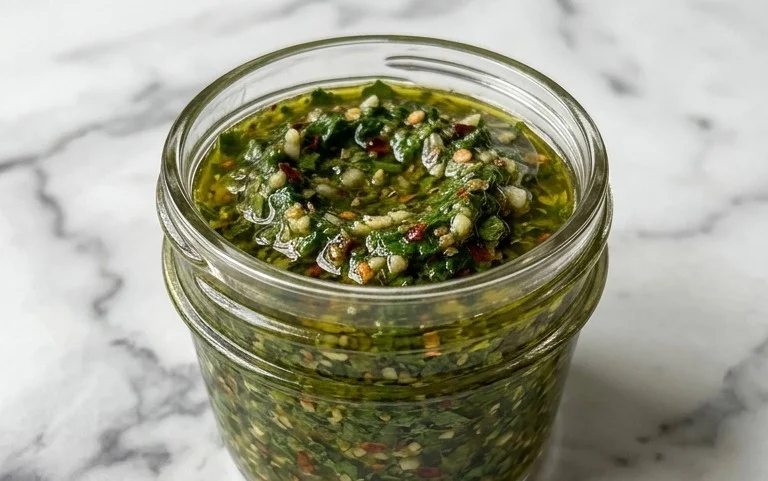
There’s something truly magical about a well-made chimichurri sauce. It’s a burst of fresh, herbaceous flavor that can transform even the simplest grilled steak into a culinary masterpiece. Hailing from Argentina, this zesty condiment is surprisingly easy to whip up at home, and once you taste it, you’ll wonder how you ever lived without it. Its vibrant green hue is a testament to its fresh ingredients, and its tangy, slightly spicy profile is the perfect counterpoint to rich, grilled meats. But don’t stop there – chimichurri is incredibly versatile. It’s fantastic drizzled over roasted vegetables, used as a marinade, or even as a dip for crusty bread. Let’s dive into how you can create this flavor powerhouse in your own kitchen.
Ingredients:
Crafting Your Chimichurri
The beauty of chimichurri lies in its simplicity. Most of the work involves preparing the fresh herbs and aromatics, and then bringin extractg it all together.
Step 1: Herb Preparation is Key
First things first, we need to get our herbs ready. For the parsley and cilantro, you’ll want to remove the thick stems. This is important because the stems can be tough and fibrous, and we’re aiming for a smooth, vibrant sauce. Gently strip the leaves from the stems. If you have very young, tender cilantro, you might be able to get away with leaving some of the thinner stems on, but for the best texture, it’s worth the extra minute to remove them. Give your fresh herbs a good rinse under cool water and then pat them thoroughly dry with paper towels. Excess water can dilute the flavor and affect the consistency of your chimichurri.
Step 2: Finely Chop Your Aromatics
Now, let’s focus on the flavor builders: the onion, garlic, and oregano. For the red onion or shallot, aim for a very fine dice. The smaller the pieces, the better they will meld into the sauce without being overpowering. If you’re using fresh oregano, you’ll do the same – a fine mince. If you’re opting for dried oregano, you can simply add it in later with the liquids, as it will rehydrate and release its flavor. For the garlic, mince it as finely as possible. You can also use a garlic press if you prefer, but be mindful not to over-process it, which can sometimes lead to a bitter taste. The goal here is to have these ingredients finely integrated, not chunky.
Step 3: The Heart of the Flavor – Combining the Fresh Ingredients
In a medium bowl, combine the finely chopped parsley, cilantro, oregano (if using fresh), red onion (or shallot), and garlic. This is where the vibrant color of your chimichurri really starts to take shape. Give these ingredients a gentle stir to distribute them evenly. Don’t pack them down too much; we want them to remain loose so they can properly absorb the other flavors. This mixture forms the flavorful foundation of our sauce, and the freshness of these ingredients is what truly sets chimichurri apart.
Step 4: Bringin extractg in the Tang and Spice
Next, we introduce the acidic elements and the kick. Add the red grape juice vinegar and fresh lemon juice to the bowl with the herbs and aromatics. The vinegar provides a bright, tangy counterpoint, while the lemon juice adds a zesty, fresh citrus note. Now, it’s time to season. Add the salt and the red pepper flakes, if you’re using them. Remember, the salt is there to enhance all the other flavors, so it’s important not to skip it. The red pepper flakes are optional, but they add a delightful warmth that can be adjusted to your preference. Start with the suggested amount and you can always add more later if you like it spicier. Stir everything together to ensure the salt and pepper flakes are well distributed throughout the herb mixture. Let this sit for about 5-10 minutes. This resting period allows the herbs and aromatics to begin extract releasing their flavors and mingling with the acidic liquids.
Step 5: Emulsifying with Olive Oil
The final step is to incorporate the olive oil and create a beautiful emulsion. Slowly drizzle in the olive oil while stirring continuously. You can use a whisk or a fork for this. The goal is to gradually combine the oil with the other ingredients, creating a cohesive and slightly thickened sauce. Don’t just dump the oil in all at once; a slow drizzle and consistent stirring will result in a much better texture. Once all the olive oil is incorporated, give the chimichurri a final good stir. Taste it now and adjust the seasonings as needed. You might want a little more salt, a touch more vinegar for tang, or perhaps a pinch more red pepper flakes. Once you’re happy with the flavor, your chimichurri is ready to be enjoyed!
Serving and Storing Your Chimichurri
This glorious chimichurri is best served fresh, but it will keep in an airtight container in the refrigerator for up to a week. The flavors tend to deepen and meld beautifully as it sits, so don’t hesitate to make it a day in advance. It’s the perfect accompaniment to grilled steak, chicken, beef, fish, or roasted vegetables. You can even use it as a vibrant dressing for salads or a flavorful spread for sandwiches. Enjoy the bright, herbaceous goodness!
Conclusion:
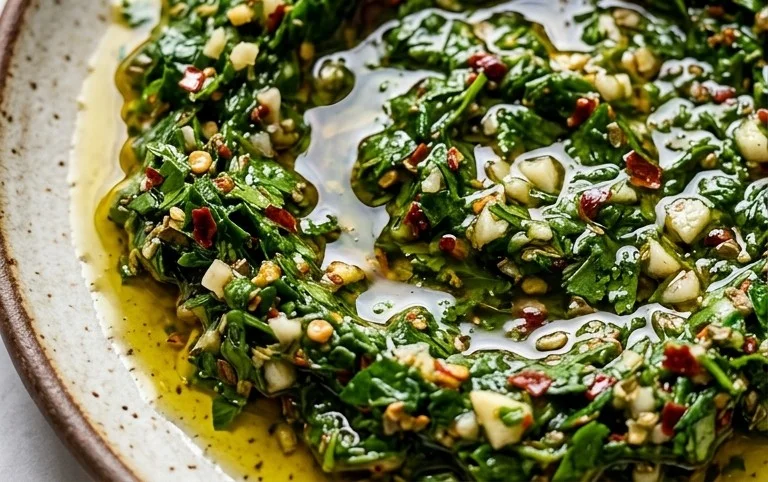
There you have it – your guide to making the most vibrant and flavorful chimichurri sauce! This recipe is truly a game-changer because of its incredible freshness, bright herbaceousness, and delightful tangin extractess. It’s astonishingly simple to whip up, requiring just a handful of fresh ingredients and minimal effort, yet it elevates even the most basic dishes. I’m confident you’ll find yourself reaching for this versatile sauce again and again.
Beyond its classic pairing with grilled meats like steak and chicken, don’t be afraid to explore! It’s absolutely delicious drizzled over roasted vegetables, tossed with pasta, used as a marinade, or even spread on a sandwich. Get creative and discover your own favorite ways to enjoy this South American staple. I wholeheartedly encourage you to give this recipe a try – you won’t regret the burst of flavor it brings to your table!
Frequently Asked Questions:
How long does chimichurri sauce last?
When stored properly in an airtight container in the refrigerator, homemade chimichurri sauce can last for up to 2 weeks. The vibrant green color might fade slightly over time, but the flavor will remain excellent.
Can I freeze chimichurri sauce?
Yes, you can freeze chimichurri sauce! For best results, freeze it in ice cube trays. Once frozen, transfer the cubes to a freezer-safe bag or container. This makes it easy to thaw and use small portions as needed. Frozen chimichurri will retain its flavor for several months.
What if I don’t have fresh parsley or oregano?
While fresh herbs are ideal for the brightest flavor, you can use dried herbs in a pinch. Use about 1 tablespoon of dried parsley and 1 teaspoon of dried oregano for every cup of fresh herbs called for. Be aware that the flavor will be less intense and the texture will be different.
Chimichurri Sauce
A vibrant and herbaceous sauce perfect for grilling or as a marinade. This recipe offers a non-alcoholic alternative to traditional vinegars.
Ingredients
-
1 1/2 cups well packed fresh parsley
-
1/2 cup well packed fresh cilantro
-
1/4 cup fresh oregano
-
1/4 small red onion
-
3 garlic cloves
-
3 Tbsp red grape juice vinegar
-
2 Tbsp fresh lemon juice
-
1/2 tsp salt
-
1/4 tsp red pepper flakes
-
3/4 cup olive oil
Instructions
-
Step 1
Finely chop the fresh parsley, cilantro, oregano, red onion (or shallot), and garlic. You can also pulse them in a food processor, but be careful not to over-process into a paste. -
Step 2
In a medium bowl, combine the chopped herbs, onion, and garlic. -
Step 3
Add the red grape juice vinegar and fresh lemon juice to the bowl. -
Step 4
Stir in the salt and red pepper flakes (if using). -
Step 5
Slowly whisk in the olive oil until the sauce is well combined and emulsified. -
Step 6
Taste and adjust seasoning with more salt or red pepper flakes as needed. -
Step 7
Let the chimichurri sauce sit for at least 10-15 minutes to allow the flavors to meld before serving.
Important Information
Nutrition Facts (Per Serving)
It is important to consider this information as approximate and not to use it as definitive health advice.
Allergy Information
Please check ingredients for potential allergens and consult a health professional if in doubt.